

YouTube Quietly Settled a Child Addiction Case. 5,900 More to Go.
Google’s YouTube quietly settled a lawsuit filed by a minor identified as “R.K.C.” alleging harm from the platform’s recommendation algorithm, Reuters reported on June 25, 2026. Terms are confidential. The…
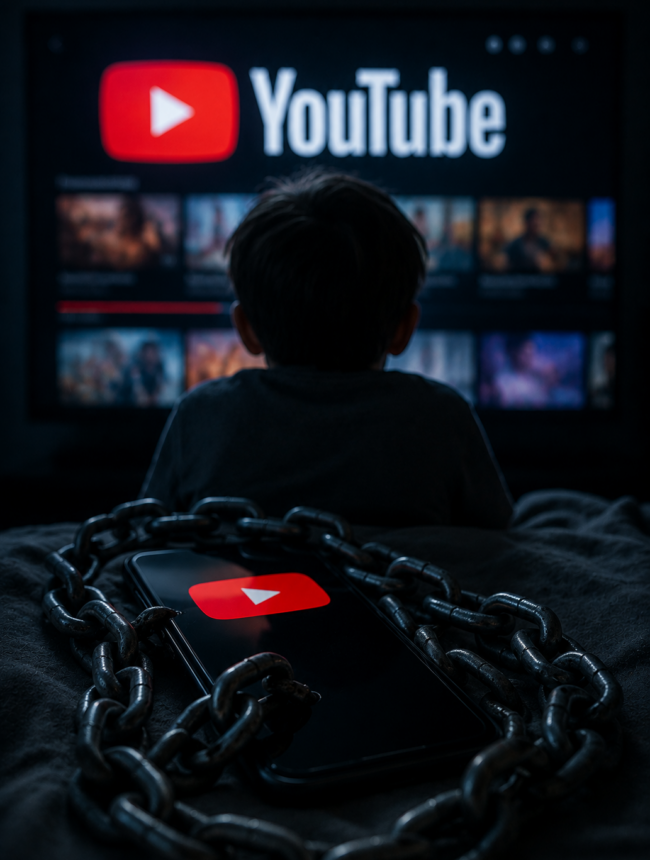
Google’s YouTube quietly settled a lawsuit filed by a minor identified as “R.K.C.” alleging harm from the platform’s recommendation algorithm, Reuters reported on June 25, 2026. Terms are confidential. The same plaintiff also sued Meta, Snap, and TikTok — those trials are scheduled for next month.
If you’ve watched YouTube autoplay your kid from one video into a 3-hour rabbit hole and wondered whether anyone was ever going to answer for that — well, someone just did. Confidentially. Which is its own kind of answer.
This settlement didn’t happen in a vacuum. Earlier this year, a jury awarded $6 million to a 20-year-old plaintiff known as “K.G.M.” — with 70% owed by Meta and 30% by YouTube — after hearing executive testimony and internal company documents.
YouTube is appealing that verdict, arguing it is a streaming service, not a social media platform. The legal system, apparently, is not convinced.
The Scale of What’s Still Coming
This YouTube addiction settlement is a drop in a very large bucket. Pending social media addiction lawsuits in California alone total more than 3,300 in state courts, with an additional 2,600 filed in federal court. Courts in Kentucky and New York City are also handling similar suits against social media companies.
The social media addiction lawyer in the K.G.M. case put it plainly:
“This is the first time in history a jury has heard testimony by executives and seen internal documents that we believe prove these companies chose profits over children.”
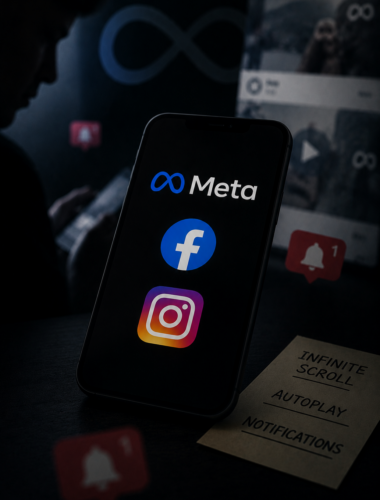
That framing matters. YouTube’s recommendation engine — autoplay, infinite scroll, personalized content loops — was built to maximize watch time. The lawsuits allege that system was deployed on minors without meaningful parental disclosure, and that the company knew it.
Meta and other platforms have publicly contested claims of addiction associated with their services. Lawyers have stated that internal company communications could serve as evidence refuting those denials.
Learn more about the worst social media apps and the harm they’ve caused.
This Is Not YouTube’s First Time in This Room
The R.K.C. settlement is the second major legal resolution involving YouTube’s conduct toward minors in recent years. In 2019, Google and YouTube paid $170 million to settle charges brought by the FTC and the New York Attorney General for illegally collecting data on children in violation of the Children’s Online Privacy Protection Act. The FTC described it at the time as a record penalty under COPPA.
The internal documents a jury already sat through in the K.G.M. case suggest the intervening years were not spent rethinking the business model. Google’s public statement on the R.K.C. settlement said the company’s “focus remains on building age-appropriate products and parental controls” — language that has appeared in various forms since at least 2019.
With more than 5,900 cases still working through state and federal courts, YouTube can call itself a streaming service all it wants. The families filing those cases have a different word for it.
What Affected Families Can Do Right Now
The R.K.C. settlement terms are sealed, so there is no public claim process attached to this case. The broader litigation, however, is very much alive.
- Document the harm. If your child experienced mental health impacts — anxiety, depression, sleep disruption, compulsive use — start a written record now. Dates, symptoms, and any medical or school records that reflect the change are what lawyers and courts ask for first.
- File a COPPA complaint with the FTC. If YouTube collected data on your child under 13 without verifiable parental consent, that is a separate, actionable violation. File at reportfraud.ftc.gov under “privacy and identity.”
- Contact your state attorney general. Several state AGs are actively pursuing social media harm cases. Find your AG’s consumer protection office at naag.org.
- Watch for a class action settlement portal. With thousands of cases pending, a broader settlement is possible. When one opens, a court-administered claims site will be the official place to file — not a third-party legal referral site.
The settlement amount in the R.K.C. case is sealed. What is not sealed: the pattern of conduct, the internal documents a jury already heard, and the thousands of cases still working through the courts.
If you or a loved one has been affected by social media addiction, contact us now. We can help you understand your legal options at no cost — so you can seek justice from the companies that chose to harm your family.
 Written by: Companies Behaving Badly
The team behind it all.
Been harmed by corporate negligence? Our legal partners can help you understand your rights and pursue justice.