

Canadian Courts Just Let JUUL Users Sue for Addiction
On July 21, the BC Supreme Court certified a JUUL class action lawsuit against JUUL Labs Canada, JUUL Labs, Inc., and Altria Group Inc., covering Canadian residents who bought or…
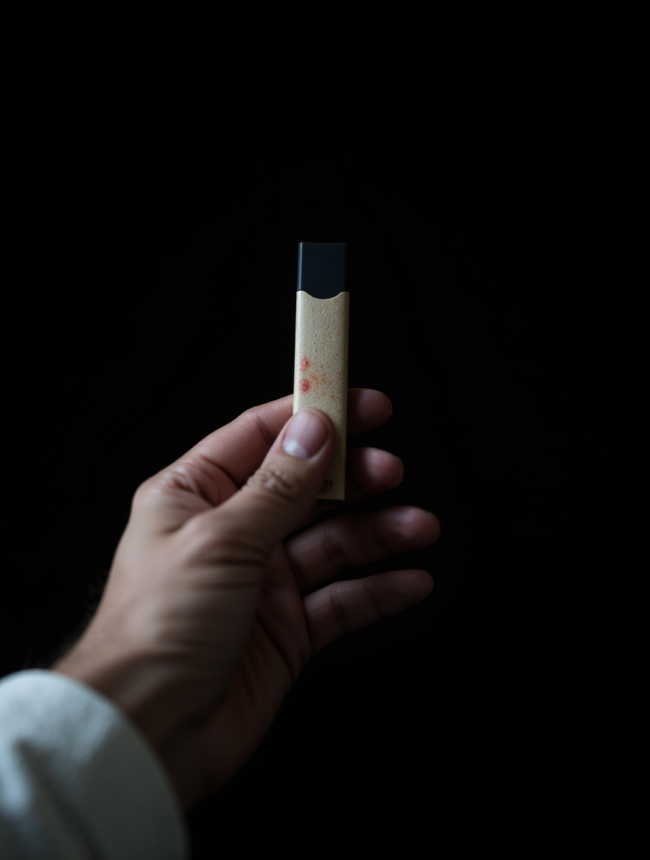
On July 21, the BC Supreme Court certified a JUUL class action lawsuit against JUUL Labs Canada, JUUL Labs, Inc., and Altria Group Inc., covering Canadian residents who bought or used JUUL devices or pods for personal use between August 1, 2018 and the certification date.
The case alleges negligence, breach of consumer protection legislation, civil conspiracy, and more — and it means thousands of Canadians who became addicted to JUUL’s high-nicotine products now have a legal path forward.
If you picked up a JUUL and then couldn’t put it down, you were not imagining it — and now a court agrees you have a case.
What the Court Decided — and What It Means for You
The case, Mann-Campbell v JUUL Labs Canada, Ltd., 2026 BCSC 1288, has been moving through the BC courts since November 2021. The JUUL class action lawsuit was recently certified as a class action — meaning individual claims can now proceed together as a group.
Getting there took years of procedural fights, including a 2022 attempt by Altria to argue that BC courts had no authority over it. The court disagreed, finding a good, arguable case that the alleged wrongdoing happened in the province.
The defendants, unsurprisingly, fought every step of the way.
About the JUUL Class Action Lawsuit
The certified class covers Canadian residents who purchased and used JUUL devices or pods in Canada primarily for personal use during the class period.
The causes of action that survived to certification:
- Negligence — alleging JUUL failed in its duty of care to consumers
- Breach of consumer protection legislation — under BC and federal law
- Unjust enrichment — profiting from a product the lawsuit alleges caused harm
- Civil conspiracy — coordinated conduct among the defendants
- Breach of the federal Competition Act, 1985
- Breach of BC’s Health Care Costs Recovery Act, 2008
This isn’t JUUL‘s first legal reckoning. In the United States, JUUL Labs agreed to a $438.5 million multistate settlement in 2026 over allegations that it marketed its nicotine products to youth and obscured the addictive concentration of nicotine in its pods.
The BC certification extends that accountability north of the border — because apparently it took until 2026 for the consequences to clear customs.
What You Can Do
1. Check if you’re in the class.
The class covers Canadian residents who bought or used JUUL devices or pods in Canada for personal use from August 1, 2018 through the certification date. If that’s you, you’re potentially eligible.
2. Monitor for claims registration.
Certification means the lawsuit can proceed — it does not yet mean there’s a claims form to fill out. Watch for announcements from class counsel Siskinds LLP (siskinds.com) and Rice Harbut Elliott LLP for registration deadlines and instructions.
3. Document your JUUL use.
Receipts, purchase records, photos, or any evidence of when and how long you used JUUL products will strengthen your position when claims registration opens.
If JUUL’s products harmed you in Canada, report your experience to Health Canada at canada.ca/en/health-canada.
 Written by: Companies Behaving Badly
The team behind it all.
Been harmed by corporate negligence? Our legal partners can help you understand your rights and pursue justice.