

Michigan’s $240M Monsanto PCB Settlement: 47 Years of Poison, 1 Cleanup Bill for Taxpayers
Michigan secured at least $108 million from Monsanto for polychlorinated biphenyl contamination across the state, with the settlement potentially reaching $240 million depending on cleanup costs. The agreement covers decades…
Michigan secured at least $108 million from Monsanto for polychlorinated biphenyl contamination across the state, with the settlement potentially reaching $240 million depending on cleanup costs.
The agreement covers decades of environmental damage from PCBs that Monsanto manufactured and sold while knowing they were toxic and would persist in soil and water for generations.
If you’ve ever wondered why your local river still can’t support fish consumption or why certain areas remain off-limits for development, this settlement explains part of the answer — and creates a fund to finally address contamination that’s been sitting in your environment for decades.
The Business Model That Poisoned Communities
Monsanto manufactured PCBs from the 1930s through 1977, selling them to electrical companies, paint manufacturers, and industrial facilities across Michigan. The chemicals were prized for their stability — they didn’t break down easily, making them perfect for electrical transformers and industrial applications.
That same stability became the problem. PCBs don’t break down in the environment either. They accumulate in soil, sediment, and the food chain, causing cancer, immune system damage, and developmental problems in children.
The incentive structure was straightforward: Monsanto collected decades of profits from selling PCBs while externalizing the cleanup costs to taxpayers and communities.
The company knew the chemicals were toxic — internal documents from other PCB litigation have shown Monsanto was aware of health risks as early as the 1960s — but continued manufacturing until federal law banned PCBs in 1979.
Predictably, the company that profited from the poison doesn’t want to pay for the cleanup.
Where the Money Goes (and Where IT Doesn’t)
The $108 million base settlement will fund environmental cleanup and monitoring across Michigan. The total could reach $240 million if cleanup costs exceed the initial amount.
What the settlement covers:
- Soil and sediment remediation at contaminated sites
- Environmental monitoring and testing programs
- Natural resource damage assessment and restoration
- Administrative costs for managing cleanup efforts
What it doesn’t cover: Direct compensation to Michigan residents for health impacts from PCB exposure. Those claims would need to be pursued separately through personal injury litigation.
The settlement structure reflects a common pattern in environmental contamination cases — the company pays for cleanup but avoids direct liability for health damages to individuals. Clean up the mess, dodge the medical bills.
The Contamination Footprint Across Michigan
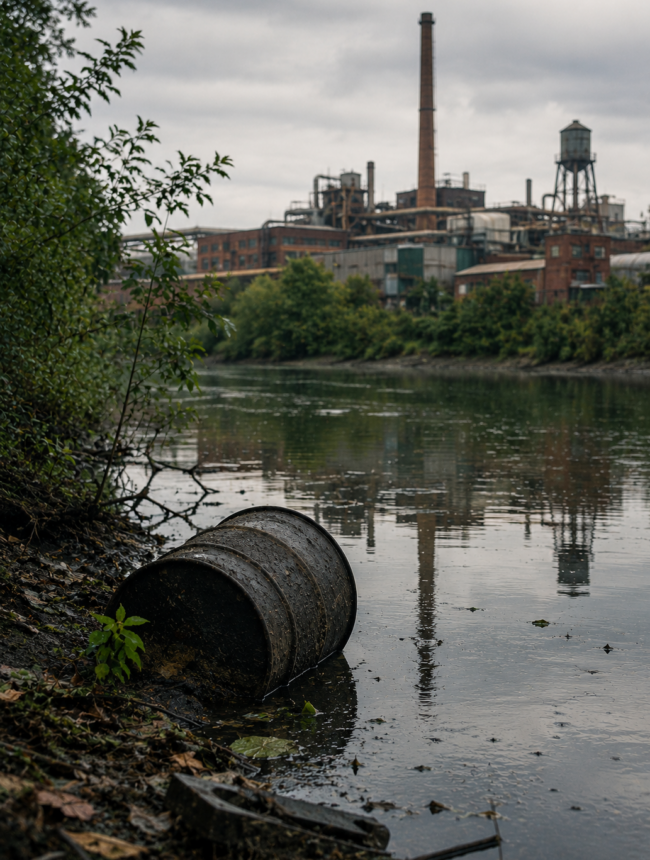
PCB contamination in Michigan isn’t limited to a single site or region. The chemicals were used in electrical equipment, building materials, and industrial processes throughout the state, creating a patchwork of contaminated locations that state environmental officials are still mapping.
Common PCB contamination sources include:
- Electrical transformer sites and utility substations
- Former industrial facilities that used PCB-containing equipment
- Building demolition sites where PCB caulk and paint were used
- Waterways near industrial discharge points
The persistence of PCBs means contamination from the 1960s and 1970s remains a current health risk. The chemicals bioaccumulate, meaning they concentrate as they move up the food chain — from contaminated sediment and fish to the people who eat them.
Where the Poison Lives Now
The settlement addresses contamination across multiple Michigan counties, with some of the most significant sites located around Detroit’s industrial corridor, Grand Rapids manufacturing zones, and former paper mill sites along the Kalamazoo River.
These sites represent decades of industrial activity where PCB-containing equipment was routinely used and disposed of without proper environmental safeguards.
High-priority cleanup areas likely include:
- Former General Motors and Ford facilities where PCB transformers were used
- Utility substations operated by DTE Energy and Consumers Energy
- Paper mills along the Kalamazoo River system
- Chemical manufacturing sites in the Detroit metropolitan area
- Military installations where PCB equipment was standard
The state’s environmental agency has identified over 200 potential PCB contamination sites, though not all require immediate remediation.
The settlement funding will allow Michigan to prioritize the most dangerous locations first, focusing on areas where contamination poses immediate risks to drinking water supplies or food sources.
Implementation Timeline and Oversight
The settlement includes specific milestones for cleanup implementation, though the timeline varies by site complexity and contamination severity. Initial environmental assessments must begin within 6 months of the settlement’s finalization, with priority sites receiving immediate attention.
The cleanup process follows these stages:
- Site assessment and contamination mapping (6-12 months)
- Remediation planning and community notification (12-18 months)
- Active cleanup implementation (2-5 years per site)
- Long-term monitoring and maintenance (ongoing)
Michigan’s Attorney General’s office will oversee settlement compliance, working with the Department of Environment, Great Lakes, and Energy to ensure Monsanto meets all cleanup obligations. The settlement includes penalties for missed deadlines and inadequate remediation efforts.
What Michigan Residents Need to Know Right Now
If you live near a known PCB contamination site: The settlement creates funding for cleanup, but the timeline depends on state prioritization. Contact the Michigan Department of Environment, Great Lakes, and Energy or call 800-662-9278 to ask about testing and cleanup schedules for your area.
If you suspect PCB contamination: The settlement includes funding for environmental testing. Property owners can request soil and water testing.
For health concerns related to PCB exposure: The settlement doesn’t include health monitoring or compensation, but Michigan residents with documented PCB exposure may have separate legal claims against Monsanto. Consult with an attorney who specializes in environmental contamination cases.
To track how settlement funds are used: The Michigan Attorney General’s office will oversee settlement implementation. Contact their office for updates on cleanup priorities and funding allocation.
How This Compares to Other Monsanto PCB Settlements
Once again, Monsanto is writing checks to avoid bigger problems. Michigan’s settlement follows similar agreements the company has reached with other states over PCB contamination. Washington State secured $95 million in 2020, while New Mexico reached a $75 million settlement in 2019.
Michigan’s potential $240 million maximum makes it one of the largest state-level PCB settlements to date.
These settlements represent a fraction of Monsanto’s total PCB liability. The company faces ongoing litigation from municipalities, school districts, and private parties across the United States, with total potential liability estimated in the billions of dollars.
The pattern across these settlements shows Monsanto’s strategy of resolving state-level claims while avoiding admission of wrongdoing, allowing the company to limit broader liability while addressing the most politically visible contamination cases.
If Monsanto’s PCB contamination affected your property or health, report it to the Michigan Department of Environment, Great Lakes, and Energy or tell us about it.
 Written by: Companies Behaving Badly
The team behind it all.
Been harmed by corporate negligence? Our legal partners can help you understand your rights and pursue justice.