

Waymo Recall: 3,791 Robotaxis Can’t Tell a Flood from a Freeway
On May 12, 2026, Waymo recalled 3,791 autonomous vehicles after a software glitch caused a robotaxi to drive into a flooded lane, where it was swept into a San Antonio…
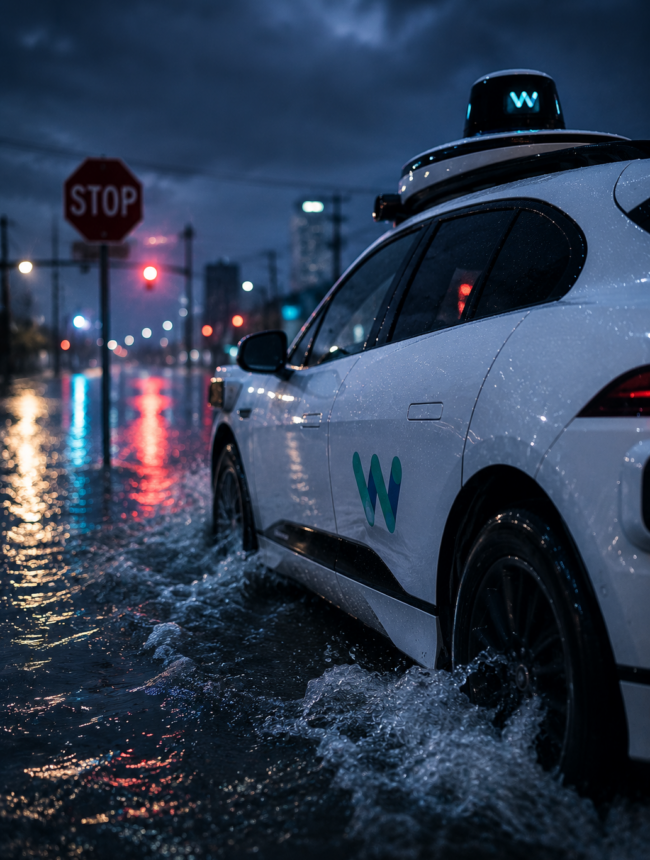
On May 12, 2026, Waymo recalled 3,791 autonomous vehicles after a software glitch caused a robotaxi to drive into a flooded lane, where it was swept into a San Antonio creek. Nobody was inside — this time.
The Waymo recall targets a flaw that allows vehicles to maintain high speeds when entering standing water, increasing crash risk. This marks the latest in a string of safety incidents for the Alphabet-owned company’s fleet.
According to Waymo’s own filing, the cars detect flooded lanes just fine. They just don’t always stop.
If you’ve been riding in Waymo robotaxis, you’ve been testing software that apparently thinks standing water is just another lane to cruise through at full speed.
When ‘Smart’ Cars Make Dumb Decisions
The National Highway Traffic Safety Administration announced the recall after reviewing the April incident, where the autonomous vehicle’s sensors failed to recognize standing water as a hazard. Instead of slowing down or stopping, the car maintained speed and drove straight into the flood.
The flooding incident reveals a fundamental problem with current autonomous vehicle technology: These systems excel in controlled environments but struggle with unpredictable real-world scenarios that human drivers navigate instinctively.
According to Sherwood News reporting, Waymo’s recent safety record shows this pattern repeatedly:
- January 2026 — A robotaxi struck a child near a Santa Monica elementary school
- Multiple incidents — Vehicles continued passing stopped school buses despite programming updates
- April 20, 2026 — The San Antonio flooding incident that triggered this recall
The company provides over 500,000 paid rides weekly, according to their own reporting, meaning hundreds of thousands of passengers are exposed to software that hasn’t mastered basic hazard recognition.
The Incentive Structure That Keeps Broken Cars on Roads
Waymo faces enormous pressure to scale quickly in the competitive robotaxi market. Every month of additional testing and safety improvements costs millions in lost revenue while competitors like Tesla expand their own services.
This creates a perverse incentive: Deploy first, fix problems after they cause accidents. The company can recall vehicles through software updates, but only after real-world incidents reveal the flaws.
The regulatory system enables this approach. NHTSA can only act after problems surface — they don’t require comprehensive real-world testing before deployment. Companies self-certify their safety systems, then face recalls when those systems fail in ways that controlled testing never anticipated.
Translation: Waymo gets to use paying customers as beta testers for safety-critical software, with no consequences beyond issuing a software patch after someone gets hurt.
What Still Hasn’t Happened (Shocking, We Know)
Despite multiple safety incidents and now a federal Waymo recall affecting 3,791 robotaxis, key accountability gaps remain:
- No mandatory third-party safety audits before autonomous vehicles can operate commercially
- No requirement to demonstrate competency in edge cases like weather events, construction zones, or emergency situations before deployment
- No standardized incident reporting system that would let regulators spot patterns across different autonomous vehicle companies
- No compensation framework for passengers injured by autonomous vehicle failures
The recall affects nearly 4,000 vehicles, but Waymo faces no financial penalties beyond the cost of the software fix.
What You Can Do
If you’ve been affected by a Waymo safety incident:
- File a complaint with NHTSA — include the date, location, and description of what happened
- Document everything — photos, medical records, repair estimates if your property was damaged
- Check recall status — if you’re a regular Waymo user, ask the company directly whether the vehicle you rode in was subject to this recall
- Report ongoing issues — if you experience similar hazard-recognition failures in Waymo vehicles after the software update, file additional NHTSA complaints
For property damage claims, contact Waymo directly through their app or website if flooding or other autonomous vehicle failures damaged your vehicle or property. Document all communications and keep records of repair estimates.
If Waymo’s robotaxi put you in danger, report it to NHTSA — or tell us about it.
 Written by: Companies Behaving Badly
The team behind it all.
Been harmed by corporate negligence? Our legal partners can help you understand your rights and pursue justice.