

$68 Million Google Assistant Settlement for Secretly Recording Millions
Google agreed to pay $68 million to settle a California lawsuit alleging that Google Assistant recorded private conversations without being prompted — capturing audio from millions of homes and devices across…
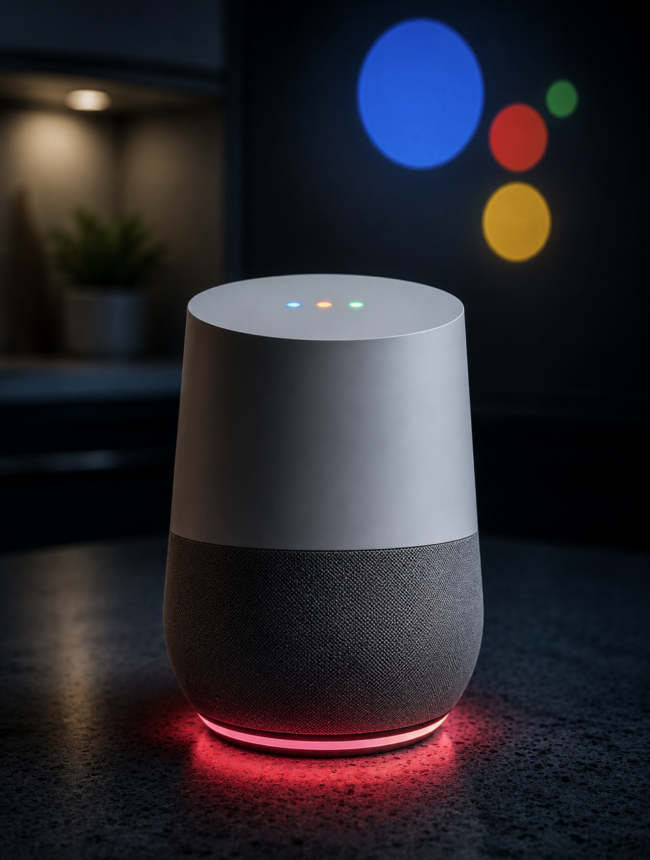
Google agreed to pay $68 million to settle a California lawsuit alleging that Google Assistant recorded private conversations without being prompted — capturing audio from millions of homes and devices across a 10-year period. The claims window is now open, with a filing deadline of August 27, 2026.
If you’ve owned a Google Home, a Nest Hub, or a Pixel phone in the last decade, you may have a qualifying Google Assistant settlement claim right now.
The money won’t make you whole for years of unauthorized recordings — but it’s real, it’s available, and most people who qualify have no idea the window is open.
About the Google Assistant Settlement 2026
The Google Assistant settlement centered on a behavior Google called a “False Accept” — moments when Google Assistant activated and began recording without the user saying “Hey Google” or pressing a button. According to the lawsuit, those accidental activations weren’t just logged and discarded. The recordings were allegedly retained and, in some cases, shared with third-party review vendors.
The class period runs from May 18, 2016 to March 19, 2026 — nearly a full decade of devices sitting in living rooms, kitchens, and bedrooms. Google denied any wrongdoing while agreeing to the settlement.
That denial is worth sitting with for a moment. The company’s position is that nothing improper happened — and yet it agreed to pay $68 million to make the lawsuit go away. That gap between the public statement and the settlement check is where the real story lives.
Qualifying Devices in the Google Assistant Class Action Settlement
The following Google Assistant-enabled devices are covered under the settlement:
- Google Home — the original smart speaker
- Google Home Mini — the smaller, cheaper version that ended up in millions of apartments
- Google Home Max — the premium speaker variant
- Nest Hub — the smart display with a screen
- Nest Hub Max — the larger display version
- Pixel smartphones — any Pixel with Google Assistant installed or downloadable
If you purchased any of these between May 2016 and March 2026, you’re likely in the purchasing class. If you didn’t buy the device yourself but lived in a home where one of these was used — and your conversations may have been captured — you may still qualify under the Privacy Settlement Class.
Children can also be included. Parents or guardians will need to file on their behalf.
How the Google Assistant Settlement Gets Divided
The $68 million doesn’t get split equally. According to the official settlement documents at googleassistantprivacylitigation.com, Google’s settlement uses a points system:
- 4 points for each qualifying device you purchased (maximum 3 devices, or 12 points)
- 1 point if you’re in the Privacy Settlement Class — meaning you lived in a home with a device but didn’t necessarily buy it
Your payout is proportional to your points relative to the total points claimed across all valid submissions. The fewer claims filed, the larger each individual payment. If funds remain after the first distribution, a second round of payments is possible — the same structure used in the Facebook privacy settlement that recently sent out a second wave of checks.
The honest answer on dollar amounts: Nobody knows yet. It depends entirely on how many people file.
Why This Keeps Happening (and Why It Will Keep Happening)
Predictably, Google has been here before. More than once. Google’s business model runs on data. More audio interactions mean better voice recognition. Better voice recognition means a more useful assistant.
A more useful assistant means more devices sold and more ad revenue generated. The incentive to collect as much audio as possible — and to set defaults that maximize collection — is baked into the financial structure of the company.
This isn’t speculation. Here are the Google privacy settlement receipts:
- $5 billion settlement reached in 2024 over Google tracking users in Chrome’s Incognito mode without disclosing it
- $391 million paid in 2022 to settle a multistate attorney general investigation into Google tracking users’ locations even after they turned location history off
- $170 million paid in 2019 to settle FTC and New York AG charges that YouTube collected data on children without parental consent, violating COPPA
Each settlement comes with a denial of wrongdoing. Each one is followed, eventually, by the next one.
The Problem Is the Business Model
The fines are real. They’re also predictable line items for a company with Google’s revenue. The structural incentive — collect more, disclose less, settle when caught — hasn’t changed because the math still works in Google’s favor.
What would change the math? Regulatory pressure is building, but slowly. The FTC has signaled interest in rulemaking around commercial surveillance and default data-collection practices — a framework that, if finalized, would require companies to justify collection rather than assume consent.
At the state level, the California Consumer Privacy Act and its 2020 expansion under CPRA give California residents opt-out rights over certain data uses, and similar laws have passed in Virginia, Colorado, and more than a dozen other states. Congress has debated a federal privacy standard for years without passing one.
The honest assessment: None of these mechanisms move fast enough to interrupt the current cycle. Until the cost of a settlement exceeds the revenue value of the data collected, the incentive structure stays intact — and the settlements keep coming.
Check Your Spam Folder Before You Do Anything Else
Settlement notification emails have already gone out. The subject line is “Google Assistant Privacy Litigation Settlement,” and the email contains a unique ID and PIN you’ll need to file. These emails are landing in spam folders, so check there first.
If you never received an email but believe you qualify, you can still file without the ID and PIN — you’ll just need to provide more information about yourself and your device.
What You Can Do Right Now
1. Check your email (especially spam) for the settlement notice.
Look for the subject line “Google Assistant Privacy Litigation Settlement.” The ID and PIN in that email will make the filing process faster.
2. File your claim at the settlement website.
The official claims portal is at googleassistantprivacylitigation.com/file. If you have an ID and PIN, use the login portal at googleassistantprivacylitigation.com/login. You’ll need your name, address, contact information, and a declaration about your device ownership or household use.
3. Gather proof of purchase if you bought a qualifying device.
Purchasing class members get 4 points per device (up to 3 devices). If you can document the purchase — a receipt, an order confirmation, a credit card statement — include it. If you can’t find proof, you may still qualify under the Privacy Settlement Class.
4. File before August 27, 2026.
That’s the hard deadline for online and mail submissions. A court hearing for final settlement approval is scheduled for October 1, 2026.
Payments won’t go out until after final approval, and any appeals could delay the timeline further.
5. File for your children separately.
If a minor in your household was also exposed to recordings, parents or guardians can submit a claim on their behalf. Don’t assume your own claim covers them.
6. Report the underlying privacy violation to the FTC.
The settlement compensates you — it doesn’t change Google’s data practices. If you want the behavior on record with regulators, file a complaint at reportfraud.ftc.gov under “privacy and data security.”
The court hearing in October will determine whether the settlement receives final approval. Until then, the claims window is open, and the deadline is real.
If you’ve had a Google Assistant device in your home at any point in the last decade, it takes about 10 minutes to find out if you qualify.
If Google Assistant recorded your conversations without your knowledge, report it to the FTC at reportfraud.ftc.gov — or tell us what happened.
 Written by: Companies Behaving Badly
The team behind it all.
Been harmed by corporate negligence? Our legal partners can help you understand your rights and pursue justice.