


$10 Million Disney FTC COPPA Settlement for ‘Unlawfully’ Tracking Kids
Disney wasn’t just entertaining kids. According to federal regulators, it was also quietly helping collect their personal data. In October 2025, the Federal Trade Commission (FTC) and U.S. Department of…
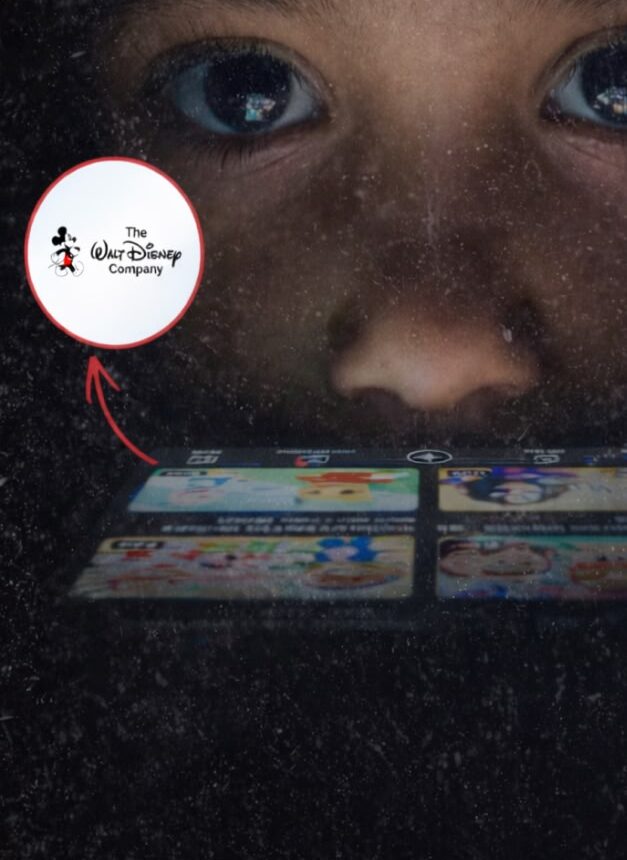
Disney wasn’t just entertaining kids. According to federal regulators, it was also quietly helping collect their personal data.
In October 2025, the Federal Trade Commission (FTC) and U.S. Department of Justice (DOJ) announced that Disney agreed to pay a $10 million settlement over tracking kids.
This penalty will settle allegations that the company violated the Children’s Online Privacy Protection Act (COPPA), a federal law designed to stop companies from tracking children online without parental consent.
What Is the Disney COPPA Lawsuit?
Here’s the core issue: Disney allowed child-directed content on its apps and platforms to be treated as if it were aimed at general audiences. That distinction matters because COPPA imposes strict rules when companies know or should know they’re dealing with kids under 13.
According to regulators, Disney:
- Enabled the collection of children’s personal information, including persistent identifiers used for tracking
- Allowed third-party advertising and analytics companies to gather data from kids
- Failed to properly label certain content as child-directed, which would have triggered stronger privacy protections
- Helped facilitate behavioral advertising, meaning ads were tailored based on kids’ activity and identifiers
In plain English: Disney allegedly helped create a system where kids were tracked and targeted with ads — without the level of parental notice and consent federal law requires.
That’s exactly what COPPA was designed to prevent.
And regulators didn’t just fine Disney. They imposed strict new rules that will reshape how Disney labels content, serves ads, and handles children’s data going forward.
Why Disney’s Labeling Decisions Matter
The federal complaint doesn’t just accuse Disney of abstract privacy failures. It points directly at Disney’s role in deciding how its videos were labeled and what those decisions allowed.
According to the Department of Justice, certain Disney-distributed videos were not designated as “child-directed,” even when their characters and themes suggested a young audience.
That classification matters because labeling determines whether COPPA protections activate.
When content isn’t labeled as child-directed:
- Targeted advertising tools can remain enabled
- Persistent identifiers may be collected for ad delivery
- Stronger parental consent requirements may not be triggered
In short, regulators allege Disney’s labeling choices helped determine whether children’s privacy protections applied at all.
The complaint makes clear that compliance doesn’t just depend on platforms. It depends on decisions made inside companies like Disney long before a video reaches a child’s screen.
What the Court Ordered Disney to Change
The $10 million FTC Disney COPPA settlement of October 2025 punished Disney for past conduct. The stipulated federal court order is designed to prevent it from happening again.
Under the agreement with federal regulators, Disney must implement structural compliance measures that directly affect how its content is reviewed, labeled, and monetized, especially when children may be watching.
The order requires Disney to:
- Establish and maintain a formal COPPA compliance program
- Review and properly classify child-directed content before distribution
- Ensure labeling decisions accurately reflect when children are the intended or likely audience
- Maintain records documenting how content is reviewed and classified
- Monitor its publishing and distribution practices to prevent improper ad access
These requirements go beyond simply paying a fine. They force Disney to build internal systems capable of identifying child-directed content and applying the privacy protections federal law requires.
The order also gives regulators ongoing visibility into Disney’s compliance. If Disney fails to meet these obligations, it could face additional penalties or enforcement actions.
In practical terms, this means Disney can no longer rely on informal or inconsistent labeling decisions. It must now operate under court-mandated privacy safeguards designed to ensure children’s data isn’t collected or used without proper protections.
For parents, the goal is straightforward: clearer safeguards, fewer gray areas, and stronger accountability when children watch Disney content online.
What the Stipulated Order Signals About Enforcement
A $10 million penalty makes noise. A federal court order changes behavior.
When the FTC and DOJ resolve a COPPA case through a civil penalty and a stipulated order, they’re sending a 2-part signal: punishment and prescription.
The Disney COPPA fine by the FTC reflects regulatory displeasure with Disney. The injunction sets operational expectations for the company.
The Penalty as a Message
Monetary penalties get headlines. Structural remedies reshape compliance systems.
The stipulated order from the FTC Disney COPPA settlement in 2025 signals that companies cannot treat COPPA violations as a one-time expense.
Instead, regulators expect sustained internal controls, including:
- Ongoing compliance and review programs
- Monitoring mechanisms tied to child-directed content
- Documentation and recordkeeping requirements
- Programmatic oversight rather than ad hoc fixes
In short: Regulators want systems, not apologies.
Who the Order Covers and Why That Matters
The public filings show the government focused on specific actors within a distribution chain — not just abstract platform risk.
In digital ecosystems, responsibility is often split between publishers, distributors, ad networks, and platforms. A court order that names content owners or distributors clarifies where compliance obligations sit.
That matters because:
- Labeling decisions may originate upstream
- Ad access controls may sit downstream
- Data collection can involve third-party vendors
- Recordkeeping obligations attach to named entities
The takeaway: Responsibility does not disappear simply because ad tech or platform settings are involved.
Enforcement Signals Going Forward
Stipulated orders often function as industry-wide guidance. Other media and tech companies will read this outcome as a compliance baseline.
The order signals that regulators expect:
- Formalized COPPA review protocols
- Clear classification procedures for child-directed content
- Oversight of third-party ad integrations
- Internal documentation capable of surviving an audit
What remains to be seen is how aggressively regulators will audit compliance, what metrics they’ll use to evaluate remediation, and how future enforcement actions may escalate.
But the direction is clear: COPPA enforcement is moving beyond warning letters and into structural oversight backed by federal court authority.
How Parents Experience the Problem
For families, this wasn’t a technical compliance issue. It showed up in confusing labels, unexpected ads, and a growing sense that trusted Disney content didn’t always come with clear privacy signals.
Confusing Labeling and Mixed Signals
Parents often rely on branding and characters to judge whether content is child-directed. When Disney characters or family-friendly themes appeared without consistent privacy cues, it created uncertainty.
That confusion meant:
- Disney-branded content didn’t always clearly signal COPPA-level protections
- Platform classifications didn’t always match the tone or audience
- Parents couldn’t easily tell when stronger privacy rules applied
When a Disney character shows up, parents expect child safeguards to follow. Regulators alleged that wasn’t always the case.
Unexpected Targeted Advertising
Personalized ads appearing around kid-looking content felt intrusive to many caregivers.
Targeted advertising suggests data collection — something parents expect to be restricted for children under 13.
When Disney-associated videos were paired with personalized ad delivery, it raised red flags about whether children’s information was being used in ways parents hadn’t agreed to.
Real-World Anxiety
The core concern is simple: If regulators’ allegations were accurate, children watching popular Disney content may have been exposed to tracking or targeted ads without clear parental notice or consent.
That uncertainty forces caregivers to police screen time and marketing exposure without predictable, trustworthy signals, undermining confidence in platforms and brands long associated with family safety.
The Bottom Line: A Clear Warning to Disney and the Industry
Disney’s $10 million settlement is about more than a fine. It’s a court-backed mandate to change how the company reviews, labels, and monetizes content that children watch.
Regulators alleged that Disney’s labeling decisions allowed child-directed content to be treated in ways that enabled data collection and targeted advertising without proper COPPA safeguards. The court order now requires stronger compliance systems designed to prevent that from happening again.
For parents, the case underscores an uncomfortable truth: Even trusted brands like Disney must be held accountable when children’s privacy is at stake.
And for the rest of the industry, the message is clear — if your business reaches kids, federal regulators expect you to protect them.
 Written by: Companies Behaving Badly
The team behind it all.
Been harmed by corporate negligence? Our legal partners can help you understand your rights and pursue justice.