

Bayer Wants Immunity from 100,000 Roundup Cancer Lawsuits
The Supreme Court heard arguments Monday on whether Bayer can hide behind federal pesticide approvals to avoid 100,000+ lawsuits claiming Roundup causes cancer. Several justices seemed sympathetic to the company’s…
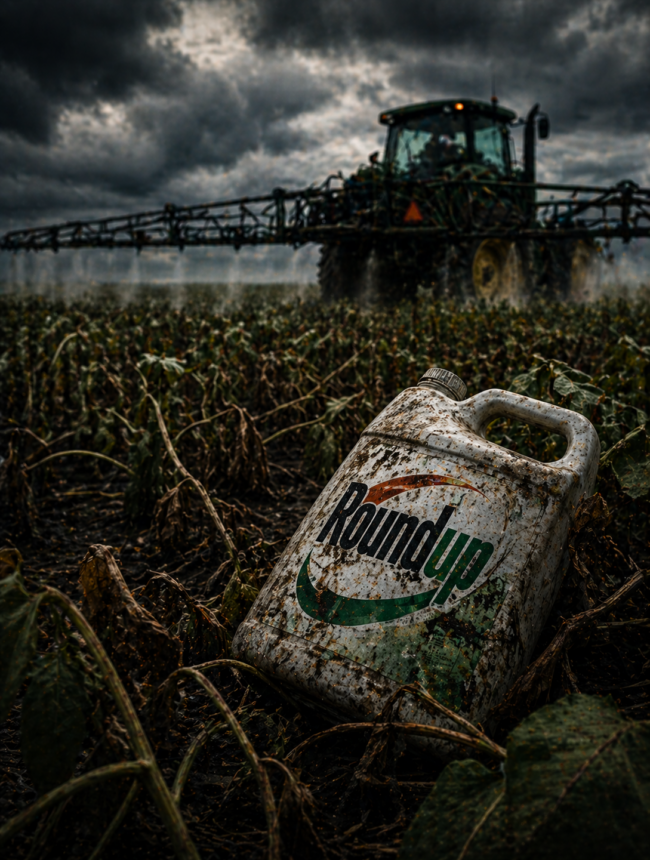
The Supreme Court heard arguments Monday on whether Bayer can hide behind federal pesticide approvals to avoid 100,000+ lawsuits claiming Roundup causes cancer.
Several justices seemed sympathetic to the company’s argument that EPA approval shields them from state court liability. A ruling against the victims could end thousands of pending cases and block future claims.
The real question: If you developed cancer after using Roundup in your yard for years, can you still get compensation — or will the court let Bayer off the hook?
John Durnell spent over 20 years as his St. Louis neighborhood’s “spray guy.” Parks. Community gardens. Weeds everywhere. Roundup was his weapon of choice. Then he developed non-Hodgkin’s lymphoma.
In 2023, a Missouri jury awarded him $1.25 million after finding Monsanto, now owned by Bayer, failed to warn about the risk of cancer.
Despite being affirmed by a state appeals court in 2025, Bayer is now urging the Supreme Court to take it back — and kill every victim’s right to sue by giving them legal immunity.
Selling Out Cancer Victims to Spare Bayer: The Legal Shield That Hurts Americans
German-owned Bayer argues that because the EPA approved their pesticide label without a cancer warning, state courts can’t hold them liable when people get sick.
It’s a convenient legal theory for a company facing over 100,000 claims from users who developed cancer after spraying weeds in their yards.
The incentive structure here is brutal. Bayer benefits from a system where federal approval acts as a permanent legal shield, even when new science emerges.
Consumers who get sick? They’re stuck waiting for a slow-moving federal agency to change its mind — if it ever does.
Durnell won his jury verdict. Bayer wants it, and thousands like it, thrown out.
The Science That Doesn’t Add Up
The fight centers on glyphosate, Roundup’s active ingredient. Here’s where things get messy:
- World Health Organization: Classified glyphosate as “probably carcinogenic” in 2015
- EPA: Determined it’s “not likely to be carcinogenic” when used as directed
- Juries: Have awarded billions in damages to cancer victims in multiple trials
Bayer wants you to believe the EPA is the final word. But that creates a catch-22: If the EPA gets it wrong, you have no recourse. Ever. But how frequently do they actually get it right?
Bayer’s Behind-the-Scenes Playbook
While fighting in court, Bayer has been working every angle to limit their liability:
- Lobbying states to pass laws barring new Roundup cases — several have already caved
- Removing glyphosate from at-home Roundup users (but keeping it in agricultural products)
- Threatening to pull out of agricultural markets in the U.S. if lawsuits continue
That last threat reveals the real power dynamic: Bayer is essentially holding the food supply hostage to avoid accountability. And that’s just one of the reasons the company made our worst companies list.
How the Justices Are Leaning (Spoiler: It’s Not Great)
Several justices seemed sympathetic to Bayer’s argument during a hearing, questioning whether different state laws could undermine federal regulations.
Other justices pushed back, asking whether waiting for EPA review, which happens every 15 years, ties the hands of state courts when new evidence emerges.
Translation: Your right to sue could disappear because a federal agency moves at the speed of molasses.
The Political Circus Complicating Everything
This case has created an unusual rift in the Trump administration. The Justice Department backs Bayer, but Health Secretary Robert F. Kennedy Jr.’s “Make America Healthy Again” movement opposes pesticide use.
Kennedy himself has repeatedly said glyphosate causes cancer, even while acknowledging the administration’s position. Meanwhile, MAHA activists held a “People vs. Poison” rally opposing Bayer’s legal strategy.
Nothing says “coherent policy” like your own cabinet members protesting your legal positions.
The Billions Already Paid (That Bayer Wants to Stop)
Bayer has already paid out billions to settle thousands of Roundup cancer claims. In 2020 alone, a California jury awarded $2 billion to a couple who developed cancer after decades of using the weed killer in their yard.
But the company wants to stop the flood of new cases by getting the Supreme Court to rule that federal approval trumps state liability laws.
The message is clear: We’ll pay for past mistakes, but we want immunity for future ones.
What This Really Means for Everyone Else
This case isn’t just about Roundup. A ruling in Bayer’s favor could set a precedent that shields any company from state lawsuits as long as they have federal approval — pharmaceuticals, chemicals, consumer goods, all of it.
That would fundamentally shift the balance of power between corporations and consumers, making it nearly impossible to hold companies accountable when federal agencies fail to protect public health.
The Science That Keeps Evolving (Despite the EPA Not)
While the EPA maintains that glyphosate is safe when used as directed, independent research continues raising questions. Studies have linked the chemical to reproductive issues, environmental damage, and various health problems beyond cancer.
But under Bayer’s legal theory, none of that matters. As long as the EPA hasn’t changed its position, the company would be immune from lawsuits — even if overwhelming evidence later proves the chemical is dangerous.
Convenient how that works out for them.
What You Can Do
If you developed cancer after using Roundup:
- File with the EPA if you believe Roundup harmed you — report adverse effects through their pesticide incident reporting system
- Contact your state attorney general about Bayer’s lobbying efforts to block lawsuits in your state
- Speak out on social media, so your representatives and the U.S. government understand the gravity of the decision — and your outrage
- Contact us to see if you’re eligible for existing settlements or can join litigation if it’s allowed to continued
- Track the Supreme Court decision, expected by end of June 2026, which will determine if future cases can proceed
The Bottom Line for Consumers
The Supreme Court is on track to issue its decision by the end of June 2026. If they rule for Bayer, thousands of pending cases could be dismissed, and future cancer victims would have no legal recourse.
If they rule for the victims, the litigation continues — and Bayer faces potentially billions more in damages as cancer victims seek compensation.
The Court’s ruling will either preserve your right to hold companies accountable when federal agencies get it wrong or give corporations a permanent shield against liability.
If Bayer’s Roundup gave you cancer, report it to the EPA through their pesticide incident reporting system or tell us about it.
 Written by: Companies Behaving Badly
The team behind it all.
Been harmed by corporate negligence? Our legal partners can help you understand your rights and pursue justice.