

How to Spot “Weighted Goods” Fraud
You trust the scale. It’s a machine. It doesn’t have a mortgage to pay or shareholders to appease. But the people who program that scale? They definitely do. As we…
You trust the scale. It’s a machine. It doesn’t have a mortgage to pay or shareholders to appease. But the people who program that scale? They definitely do.
As we saw in the Walmart “Weighted Goods” Scandal, major retailers have been accused of playing fast and loose with the math at the checkout counter. And while a few cents here and there might not bankrupt you, it generates millions in unearned profit for them.
Here is how to spot the scam before you pay for it.
1. The “Tare Weight” Trap (AKA The Plastic Tax)
This is the most common trick in the book:
The Scam: You grab a container of potato salad or olives from the hot bar. You put it on the scale. The scale reads 1.2 lbs. You pay for 1.2 lbs.
The Problem: You just paid $12.99/lb for a plastic container that weighs 0.1 lbs. That’s theft.
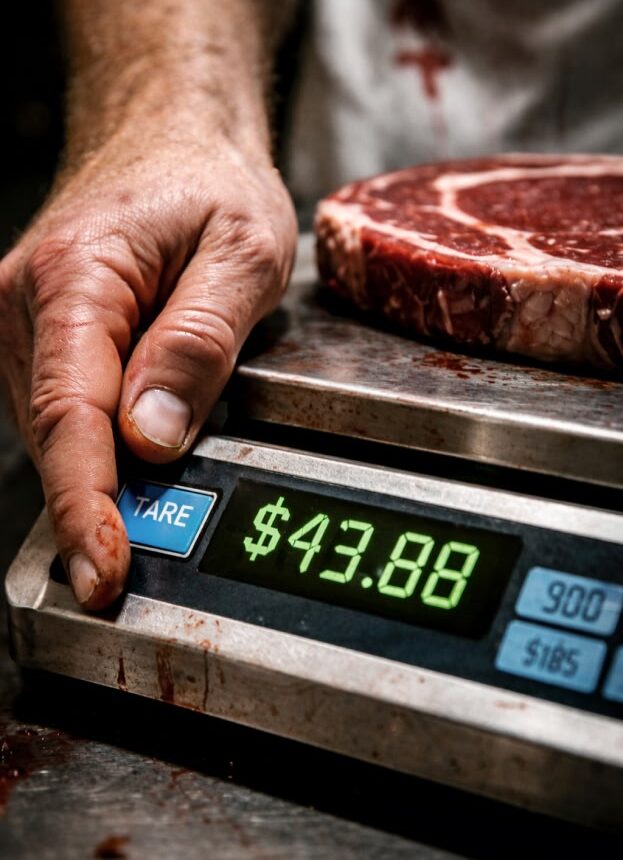
The Fix: Legally, stores must deduct the “Tare Weight” (the weight of the packaging) automatically. Watch the scale screen. It should show a negative number (e.g., -0.05) before you put your item down. If it starts at 0.00, you are getting ripped off.
2. The “Pre-Bagged” Phantom Weight
This was a core allegation in the Walmart lawsuit:
The Scam: You buy a 5lb bag of onions. The label says “5 lbs.” You assume it is 5 lbs.
The Reality: Produce shrinks. Moisture evaporates. Or sometimes, the bag just never had 5 lbs in it to begin with. If that bag weighs 4.8 lbs, and you pay for 5, you just donated money to a corporation that hates you.
The Fix: Weigh the bag. Take that “5lb” bag of oranges and slap it on the customer scale in the produce section. If it’s light, put it back or demand a discount.
3. The “Glazed” Ice Trick
Buying frozen seafood? Watch out for this trick:
The Scam: Frozen fish is often coated in a layer of ice to “protect” it from freezer burn. This is called glazing.
The Reality: Unscrupulous sellers will count that ice as part of the “net weight.” You are paying premium seafood prices for frozen tap water.
The Fix: Look for “Net Weight” on the package, which excludes the glaze. If you buy from the counter, ask if the weight is “dry” or “glazed.” Watch them squirm.
4. The Digital “Drift”
The Scam: The scale at the register isn’t zeroed out. It’s resting at 0.02 lbs because of a sticky spill or a calibration error.
The Reality: Every single item you scan adds that extra 0.02 lbs to the bill.
The Fix: Glance at the register scale before your cashier scans the first item. If it doesn’t say 0.00, speak up. Be that person. It’s your money.
How to Fight Back
If you catch a scale cheating you, don’t just complain to the manager (who probably can’t fix it). Complain to the people who can shut them down:
Google: “[Your State] Department of Weights and Measures complaint.”
File a Report: These agencies take scale fraud seriously. They are the only ones the stores actually fear.
 Written by: Companies Behaving Badly
The team behind it all.
Been harmed by corporate negligence? Our legal partners can help you understand your rights and pursue justice.